
Understanding Phishing: Protecting Your Data
What is Phishing?
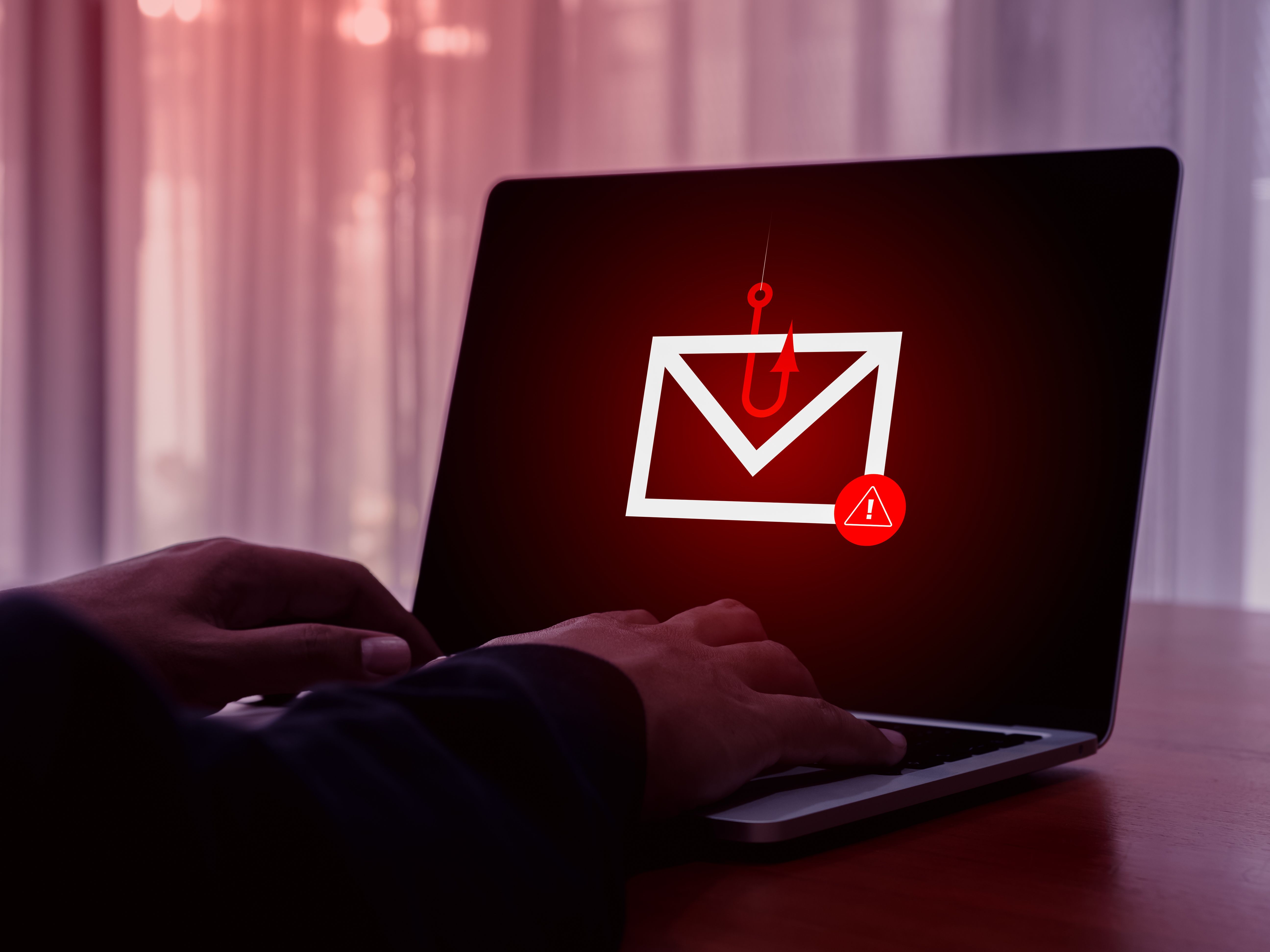
Phishing is a type of cyber attack where attackers disguise themselves as trustworthy entities to steal sensitive information like usernames, passwords, and credit card details. These attacks often occur through emails, social media, or malicious websites. Understanding how phishing works is crucial in protecting your personal and financial data.
Common Phishing Techniques
Phishing attackers use a variety of techniques to trick their victims. Some of the most common methods include:
- Email Phishing: Sending fraudulent emails that appear to be from legitimate sources.
- Spear Phishing: Targeting specific individuals or companies with personalized messages.
- Clone Phishing: Duplicating legitimate emails and altering them with malicious links or attachments.
Recognizing Phishing Attempts
To protect yourself, it's important to recognize the signs of a phishing attempt. Be wary of emails or messages that:
- Ask for personal or financial information.
- Contain spelling and grammatical errors.
- Have suspicious links or attachments.
Steps to Protect Your Data
Protecting your data from phishing attacks involves a combination of vigilance and technology. Here are some steps you can take:
- Use Antivirus Software: Keep your antivirus software updated to detect and block malicious emails.
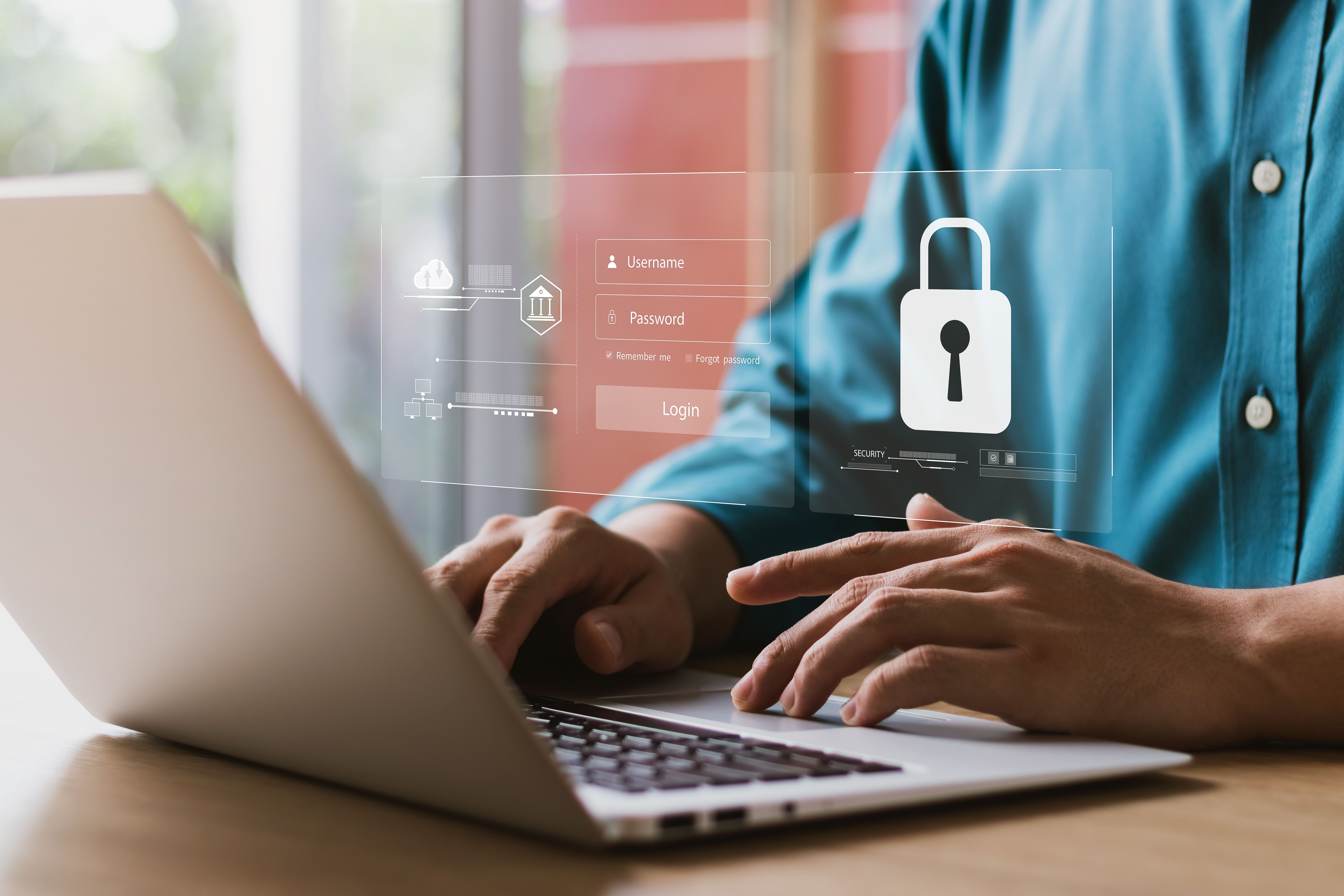
- Enable Two-Factor Authentication: Add an extra layer of security to your online accounts.
- Verify Sources: Double-check the sender’s email address and look for inconsistencies.
What to Do If You Fall Victim
If you suspect that you've been phished, act quickly to minimize the damage:
- Change your passwords immediately.
- Contact your bank or financial institution.
- Report the phishing attempt to relevant authorities.
Educating Yourself and Others
Education is a powerful tool in the fight against phishing. Stay informed about the latest phishing tactics and share knowledge with friends and family. Encourage them to be cautious and skeptical of unsolicited messages.
The Role of Organizations
Organizations play a crucial role in combating phishing. They should provide training to employees, implement security protocols, and regularly update their systems to prevent breaches. By fostering a culture of security, businesses can protect themselves and their customers.
Conclusion
Understanding phishing and taking proactive measures can significantly reduce the risk of falling victim to these attacks. Stay informed, stay cautious, and always prioritize the security of your data.