Strengthening Security: The Importance of Strong Passwords
Understanding the Risks of Weak Passwords
In today's digital world, the security of our online accounts is more crucial than ever. Weak passwords are a significant vulnerability, often exploited by hackers to gain unauthorized access. A compromised account can lead to severe consequences, including identity theft and financial loss. Therefore, understanding the risks associated with weak passwords is the first step towards strengthening your security.
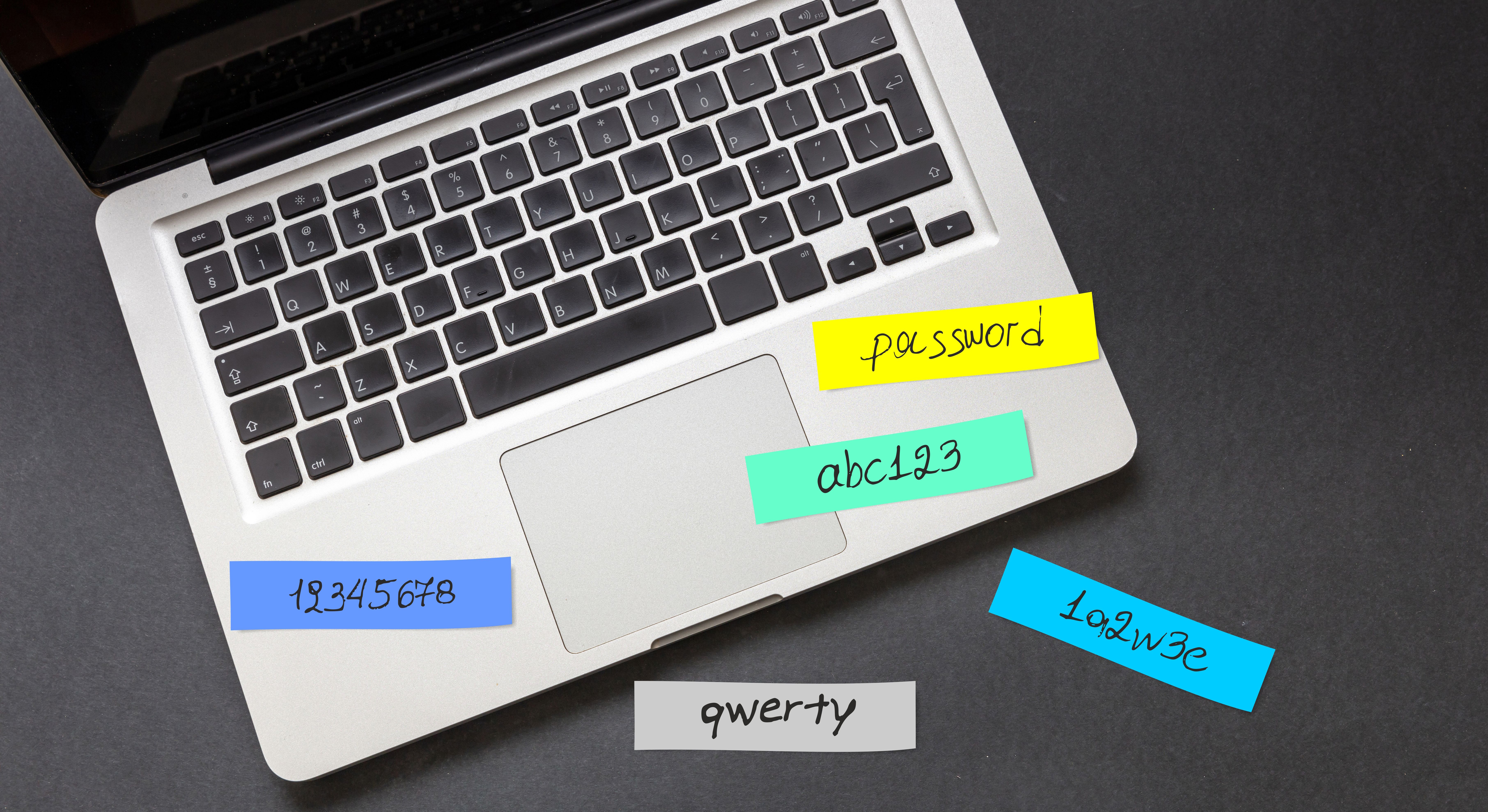
Many people still use simple or common passwords, making it easy for cybercriminals to breach their accounts. Passwords like "123456" or "password" are easily guessed and should be avoided. Using such weak passwords is akin to leaving your front door wide open.
Creating Strong Passwords
Creating a strong password is not as daunting as it may seem. A robust password typically includes a mix of uppercase and lowercase letters, numbers, and special characters. The longer and more complex the password, the harder it is to crack. Aim for at least 12 characters to ensure maximum security.
Consider using passphrases—combinations of words that are easy for you to remember but difficult for others to guess. For example, "Sunset!Jazz&Guitar2023" is both strong and memorable.
The Role of Password Managers
Managing multiple strong passwords can be challenging. This is where password managers come into play. These tools securely store your passwords and can even generate complex passwords for you. With a password manager, you only need to remember one master password.
Popular password managers include LastPass, Dashlane, and 1Password. They offer user-friendly interfaces and robust security features to keep your credentials safe.

Implementing Two-Factor Authentication
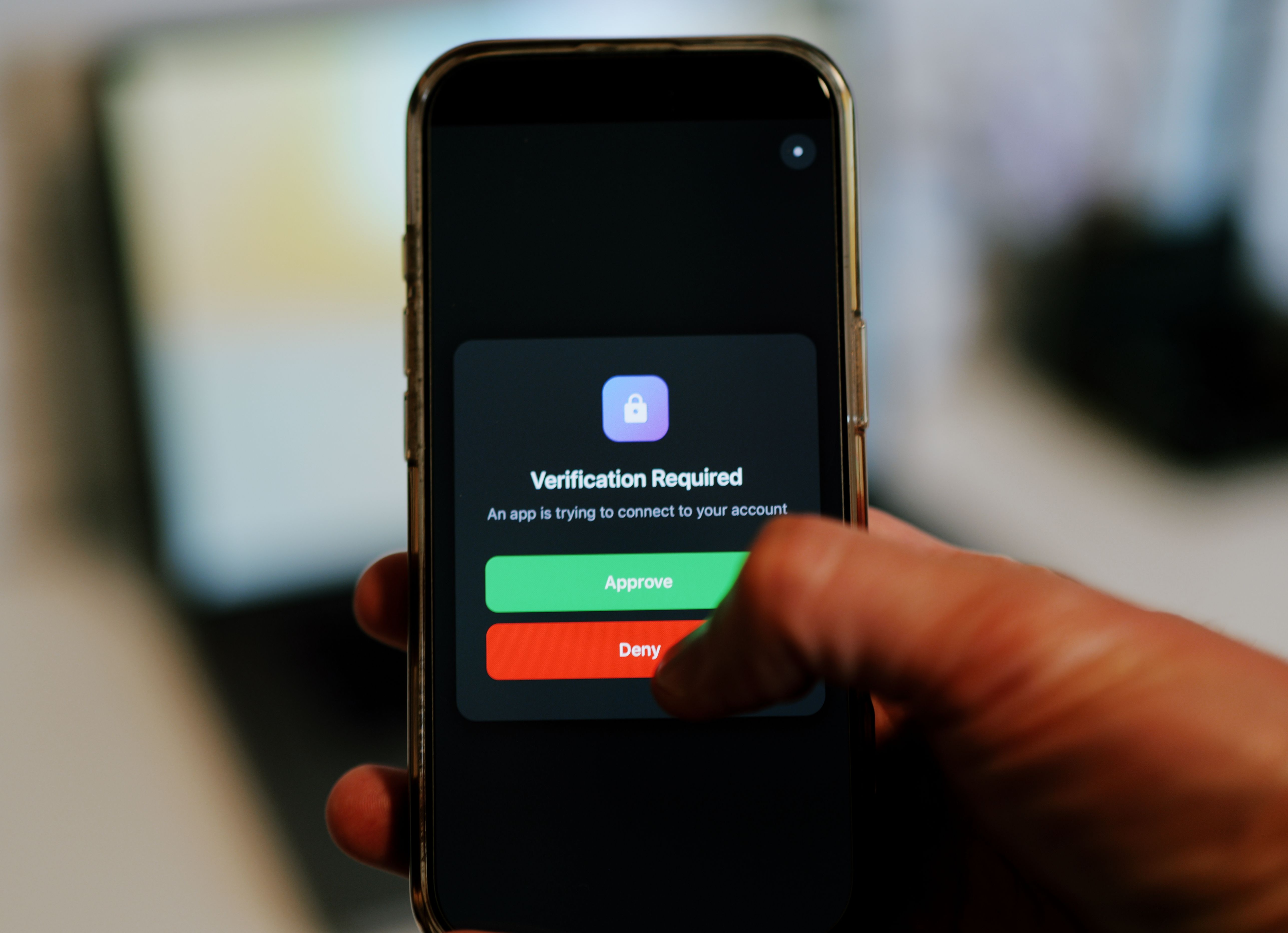
Two-factor authentication (2FA) adds an additional layer of security to your accounts. Even if someone manages to obtain your password, 2FA requires a second form of verification, such as a code sent to your phone. This significantly reduces the risk of unauthorized access.
Many online services offer 2FA, and enabling it is a simple yet effective way to enhance your security. Always opt for platforms that provide this feature to protect your sensitive information.
Regularly Updating Passwords
Regularly updating your passwords is another crucial aspect of maintaining security. Cyber threats are constantly evolving, and a password that was secure a year ago might be vulnerable today. Aim to change your passwords every few months and immediately after any potential security breach.
Stay vigilant and monitor your accounts for any suspicious activity. Early detection can prevent significant damage and ensure that your information remains secure.
Conclusion: Taking Control of Your Security
Strengthening your online security starts with strong passwords. By understanding the importance of robust password practices and implementing tools like password managers and 2FA, you can protect yourself from potential threats. Remember, the effort you put into securing your accounts today will safeguard your digital future.