
Seasonal IT Security Tips for Small Businesses
Understanding Seasonal Security Risks
As seasons change, so do the security challenges faced by small businesses. Understanding these fluctuations is crucial in maintaining a robust IT security posture. Various factors, including changing weather conditions and holiday seasons, can impact cybersecurity threats. Being aware of these can help businesses prepare and mitigate potential risks.
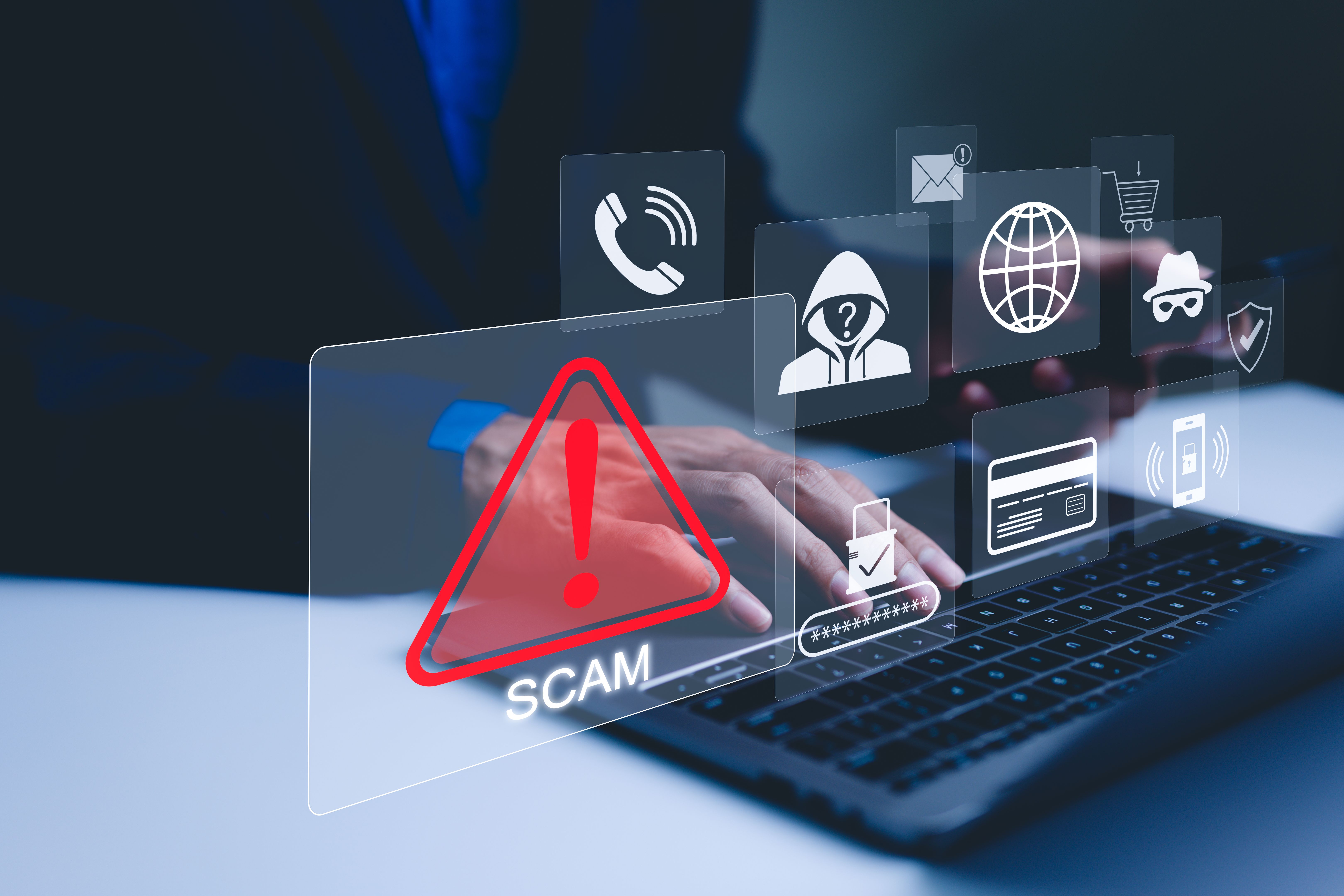
For instance, the holiday season often sees an uptick in phishing attacks as cybercriminals exploit increased online shopping activities. Similarly, summer months might bring about risks related to employee absences and remote work challenges. Adapting your security strategies according to these patterns can make a significant difference.
Strengthening Network Security
One of the first steps in enhancing IT security during different seasons is to evaluate and strengthen your network security. Ensure that all network devices are up to date with the latest security patches and firmware. Regularly updating these systems helps protect against vulnerabilities that cybercriminals might exploit.
Implementing a robust firewall and intrusion detection system can further safeguard your business network. Additionally, consider setting up a virtual private network (VPN) to secure remote connections, especially during peak vacation seasons when employees might work from various locations.

Employee Training and Awareness
Employees play a pivotal role in maintaining IT security. Regular training sessions should be conducted to keep them informed about the latest security threats and best practices. Tailor these sessions according to the time of year, focusing on relevant risks such as phishing scams during the holiday season.
Encourage employees to practice good password hygiene and be cautious of suspicious emails. Implementing a security awareness program can create a culture of vigilance and empower employees to recognize potential threats.
Data Backup and Recovery
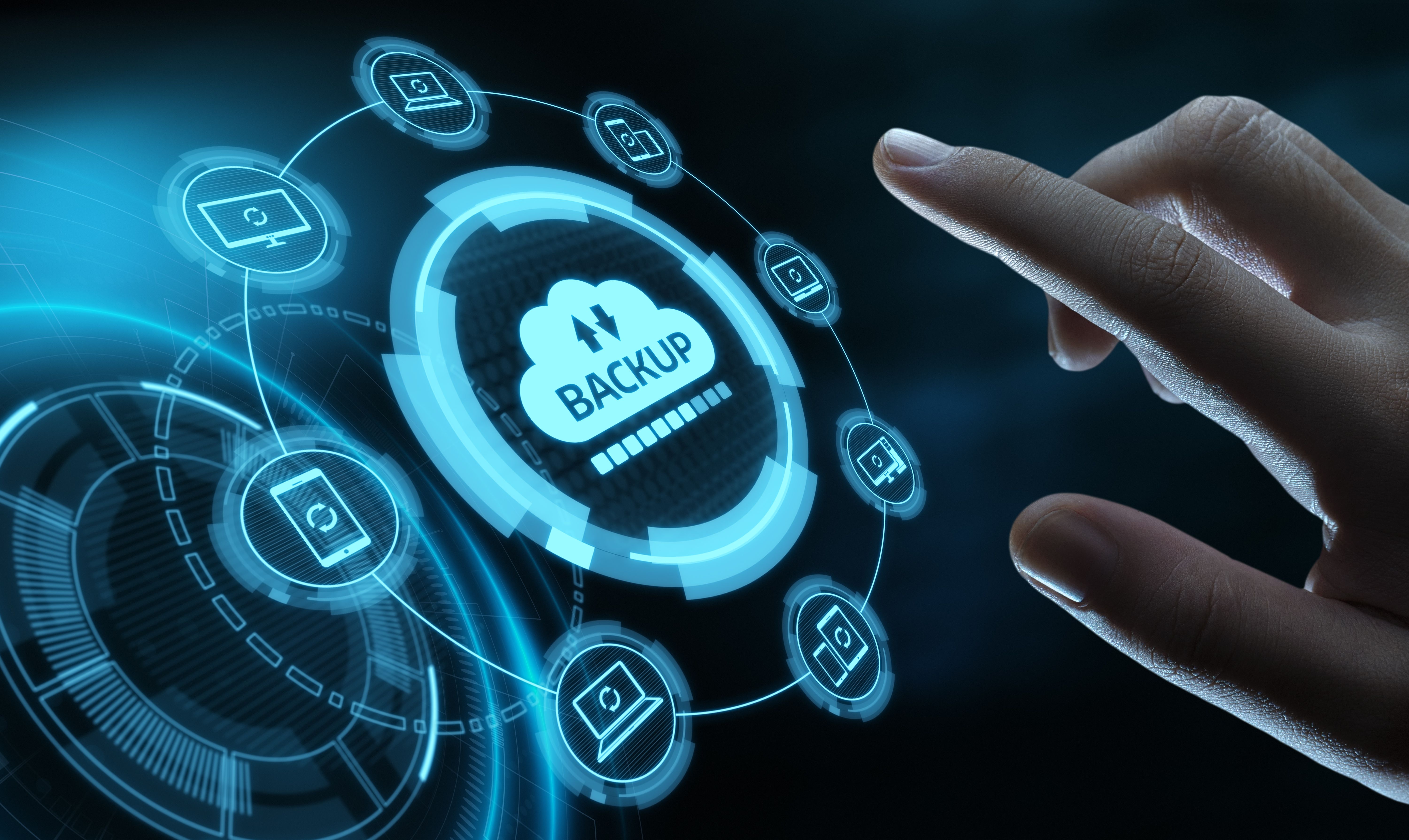
Data breaches and cyberattacks can happen at any time, making it essential to have a reliable data backup and recovery plan in place. Regularly backing up critical business data ensures that information can be restored quickly in the event of an attack.
Consider using both on-site and cloud-based backup solutions to provide an extra layer of protection. Test your recovery process periodically to ensure that data can be restored seamlessly, minimizing downtime and disruption to business operations.
Implementing Multi-Factor Authentication
Multi-factor authentication (MFA) adds an additional layer of security by requiring users to verify their identity through more than one method. This is an effective way to protect sensitive information and reduce the risk of unauthorized access.
Encourage employees to enable MFA on all accounts that support it, particularly during times of increased travel and remote work. This simple step can significantly enhance your business’s security posture.
Conclusion
Adapting your IT security measures to align with seasonal changes is crucial for protecting your small business. By understanding seasonal risks, strengthening network security, training employees, backing up data, and implementing MFA, you can mitigate potential threats and ensure a secure environment year-round.
Stay proactive and vigilant, and your business will be well-prepared to handle the dynamic nature of cybersecurity challenges.