Harnessing AI for Enhanced Government Contracting
The Role of AI in Government Contracting
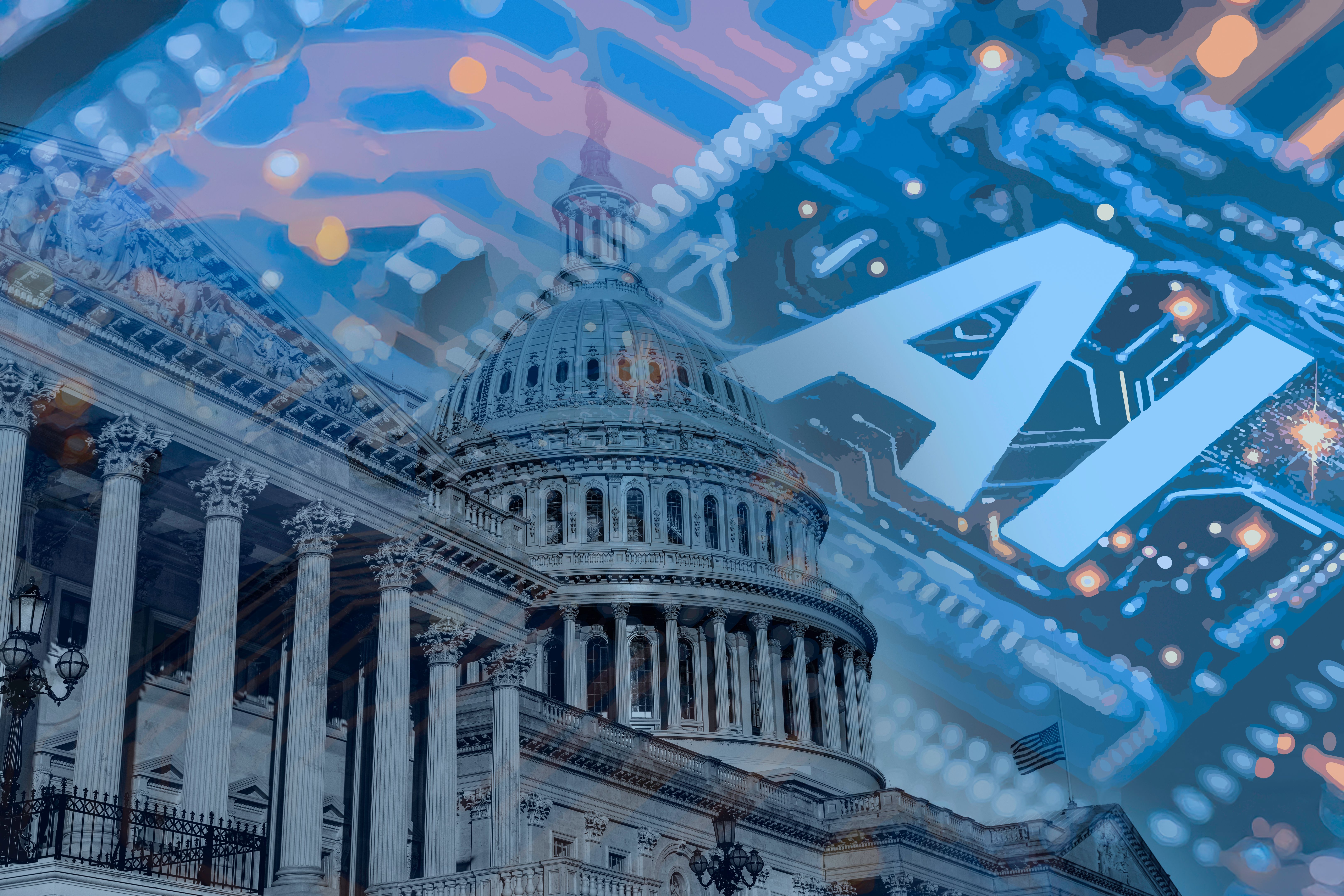
The integration of artificial intelligence (AI) into government contracting processes is revolutionizing how governments manage and execute contracts. With the ability to analyze vast amounts of data quickly and accurately, AI can enhance efficiency and transparency, ultimately leading to more effective public service delivery.
Streamlining Procurement Processes
One of the most significant benefits of AI in government contracting is its potential to streamline procurement processes. Traditional methods often involve lengthy paperwork and manual data entry, which can be prone to errors. AI can automate these tasks, reducing administrative burdens and minimizing the risk of mistakes.
By utilizing AI, governments can process procurement requests faster, ensuring that critical services and supplies are delivered on time. This speed and accuracy can lead to substantial cost savings, freeing up resources for other essential public services.

Enhancing Decision-Making
AI technologies can analyze historical data and predict future trends, providing valuable insights for decision-makers. This ability allows government agencies to make more informed and strategic decisions in contracting and procurement. By understanding patterns and potential risks, officials can allocate resources more effectively and avoid unnecessary expenditures.
Moreover, AI's predictive capabilities can help identify potential vendors who are best suited to meet contract requirements, ensuring that taxpayers’ money is spent wisely.

Improving Transparency and Accountability
Transparency and accountability are crucial in government operations. AI can play a pivotal role in enhancing these aspects by providing real-time monitoring and reporting of contracts. This visibility ensures that all stakeholders, including the public, can track the progress and execution of government contracts.
With AI-driven analytics, governments can detect anomalies or irregularities in contracts, allowing for timely interventions and corrections. This proactive approach not only builds public trust but also prevents potential misuse of funds.
Challenges and Considerations
While AI offers numerous advantages, its integration into government contracting is not without challenges. Data privacy and security are paramount, necessitating robust measures to protect sensitive information. Additionally, there may be resistance to adopting new technologies, requiring comprehensive training and change management strategies.

Governments must also consider ethical implications, ensuring that AI algorithms are free from bias and that decisions are made fairly and equitably. By addressing these challenges, governments can fully harness the potential of AI in contracting.
The Future of Government Contracting
As AI technology continues to evolve, its role in government contracting is set to expand. Future innovations may include more advanced predictive analytics, enhanced fraud detection, and even greater automation of routine tasks. These advancements promise to further improve efficiency and service delivery in the public sector.
By embracing AI, governments can not only streamline their contracting processes but also set a precedent for transparency, accountability, and innovation in public administration.