
Enhancing Security with Biometric Access Control
Introduction to Biometric Access Control
In today's rapidly evolving technological landscape, ensuring the security of sensitive information and facilities has become paramount. One of the most effective ways to enhance security is through the implementation of biometric access control systems. These systems use unique biological characteristics to verify identity, offering a high level of security and convenience.
Understanding Biometric Technology
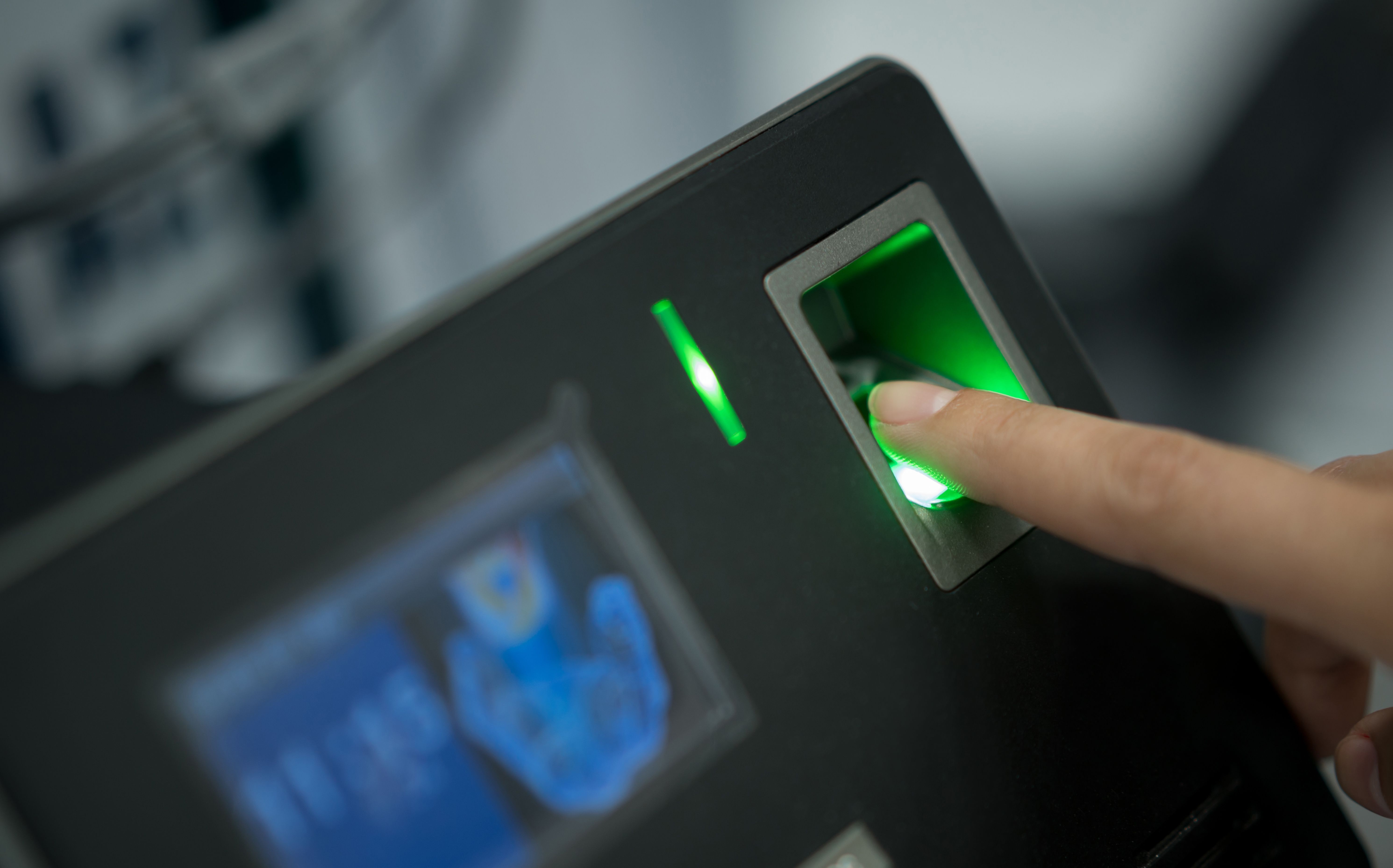
Biometric technology relies on the unique attributes of individuals, such as fingerprints, facial recognition, iris patterns, and voice recognition. These characteristics are incredibly difficult to replicate, making them an ideal basis for secure access control systems. By leveraging these unique identifiers, businesses and institutions can significantly reduce the risk of unauthorized access.
Unlike traditional security methods, such as passwords or key cards, biometric systems do not require users to remember codes or carry physical items. This not only simplifies the user experience but also minimizes the risk of security breaches due to lost or stolen credentials.
Benefits of Biometric Access Control
The advantages of biometric access control are numerous. Below are some key benefits:
- Enhanced Security: Biometric systems provide a higher level of security by using unique biological traits that are difficult to forge.
- Convenience: Users no longer need to remember passwords or carry access cards, streamlining the authentication process.
- Audit Trail: Biometric systems can maintain detailed logs of access attempts, helping organizations track and manage entry points effectively.

Applications in Various Industries
Biometric access control systems are utilized across a wide range of industries, each benefiting from the enhanced security and efficiency they offer. In the financial sector, for example, these systems safeguard sensitive customer information and secure access to vaults and data centers.
In healthcare, biometric access ensures that only authorized personnel can access patient records, enhancing privacy and compliance with regulations. Meanwhile, in government facilities, these systems protect classified information and secure critical infrastructure.
Challenges and Considerations
While biometric access control offers numerous benefits, there are challenges to consider. Privacy concerns remain a significant issue, as individuals may be wary of having their biometric data stored. It is crucial for organizations to implement robust data protection measures and ensure transparency in how data is collected, stored, and used.

Another consideration is the initial cost of implementing biometric systems. Although the long-term benefits often outweigh these costs, organizations must evaluate their specific needs and budget constraints before making an investment.
The Future of Biometric Access
As technology continues to advance, the future of biometric access control looks promising. Innovations such as multi-modal biometrics, which combine multiple identifiers like fingerprints and facial recognition, are set to offer even greater security and reliability.
Additionally, the integration of artificial intelligence and machine learning with biometric systems will enhance their capabilities, allowing for faster and more accurate identification processes.
Conclusion
Biometric access control represents a significant leap forward in security technology, providing a robust and user-friendly solution to safeguarding sensitive information and facilities. As businesses and institutions continue to prioritize security, the adoption of biometric systems is likely to grow, paving the way for a more secure future.