
AI in Cybersecurity: Friend or Foe?
Introduction to AI in Cybersecurity
In today’s rapidly evolving digital landscape, the integration of Artificial Intelligence (AI) into cybersecurity is increasingly seen as both a promising solution and a potential risk. As cyber threats grow more sophisticated, organizations are turning to AI to enhance their security measures. But is AI a friend or foe in the realm of cybersecurity?
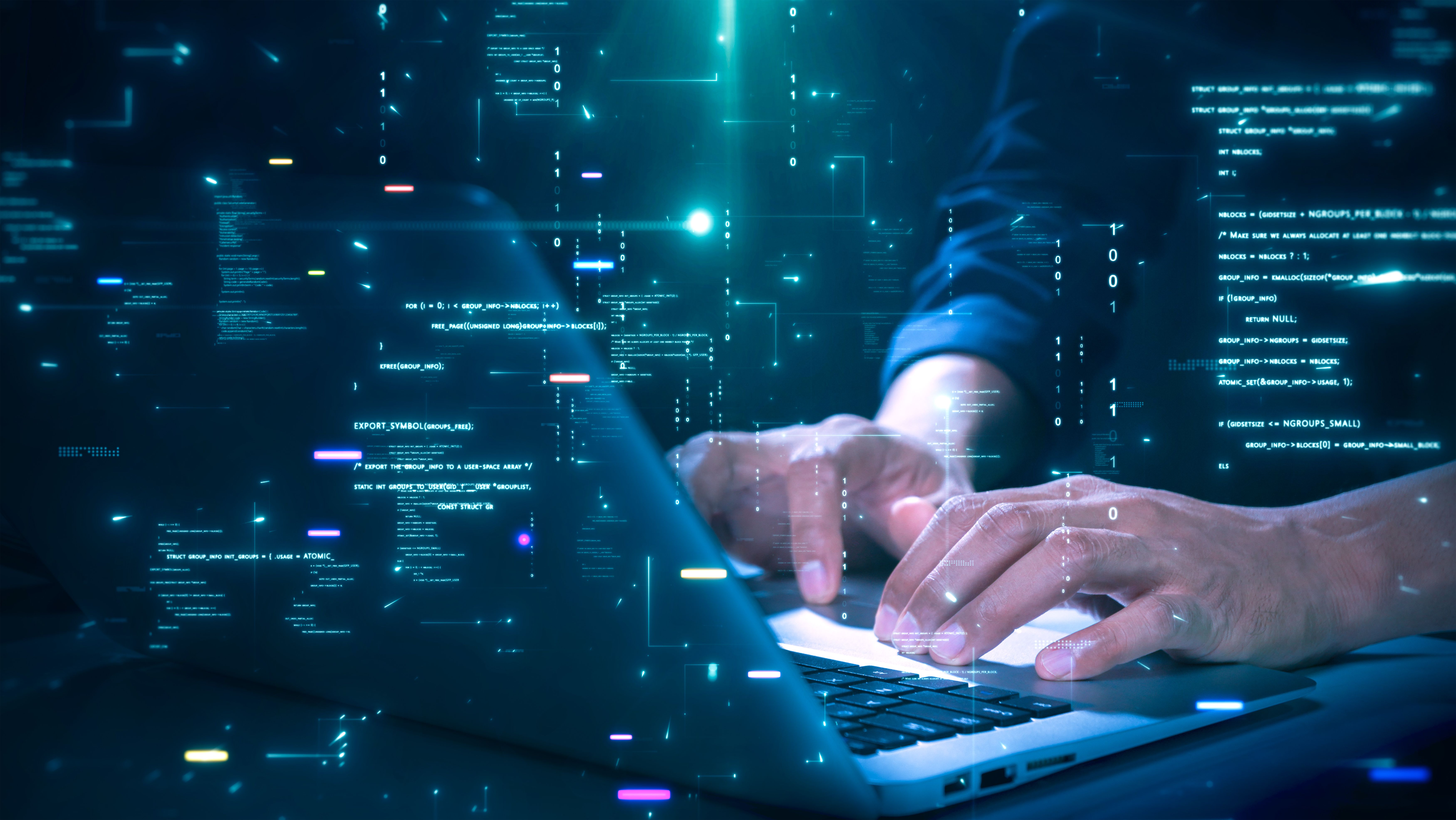
The Role of AI in Cyber Defense
AI has proven to be a powerful ally in identifying and mitigating cyber threats. By leveraging machine learning algorithms, AI systems can analyze vast amounts of data to detect anomalies and potential security breaches. This capability allows for real-time threat detection, which is crucial in preventing data breaches and other cyber attacks.
Furthermore, AI can automate repetitive tasks, freeing up valuable time for cybersecurity professionals to focus on more strategic activities. This automation not only improves efficiency but also reduces the likelihood of human error, which is often a significant vulnerability in cybersecurity protocols.
Advanced Threat Detection
One of the most significant advantages of AI in cybersecurity is its ability to identify advanced threats that traditional methods might miss. AI systems can continuously learn from new data, improving their accuracy and effectiveness over time. This adaptability makes AI particularly useful in combating emerging threats and zero-day vulnerabilities.

Challenges and Concerns
Despite its advantages, the use of AI in cybersecurity is not without challenges. One major concern is the potential for AI systems to be manipulated by malicious actors. If hackers gain access to AI algorithms, they could potentially train the system to overlook specific threats, leading to disastrous consequences.
Additionally, there is the issue of over-reliance on AI. While AI can significantly enhance cybersecurity efforts, it is not infallible. Over-dependence on AI may lead to complacency, with organizations neglecting other essential aspects of their security infrastructure.
Balancing AI with Human Expertise
To maximize the benefits of AI in cybersecurity, it’s crucial to strike a balance between AI capabilities and human expertise. Cybersecurity experts must continuously monitor AI systems to ensure they function correctly and adapt to new threats. Human oversight is essential in interpreting AI-generated insights and making informed decisions about security strategies.

Future Prospects
Looking ahead, the integration of AI in cybersecurity is likely to expand, with new innovations enhancing its effectiveness. As AI technology advances, its ability to predict and prevent cyber threats will become even more sophisticated, offering organizations a robust line of defense against cybercriminals.
However, it’s essential to address the ethical implications of AI in cybersecurity, ensuring that its use complies with privacy regulations and ethical standards. By doing so, organizations can harness the power of AI responsibly, safeguarding their data and systems against potential threats.
Conclusion
AI in cybersecurity is a double-edged sword, offering significant benefits while also posing new challenges. By understanding its capabilities and limitations, organizations can leverage AI as a friend in their cybersecurity efforts. The key lies in combining AI with human intelligence to create a comprehensive and effective security strategy.